Zhaojiaxuyao Site
Introduction
The Zhaojiaxuyao site, located in Zibo, Shandong province, stands as an essential archaeological find from the prehistoric era, dating back approximately 15,000 to 11,000 years ago. Selected as one of the "Top 10 New Archaeological Discoveries of 2022", this site has provided significant insights into human activity during a transitional phase from the Paleolithic to the Neolithic period in Northern China and East Asia.
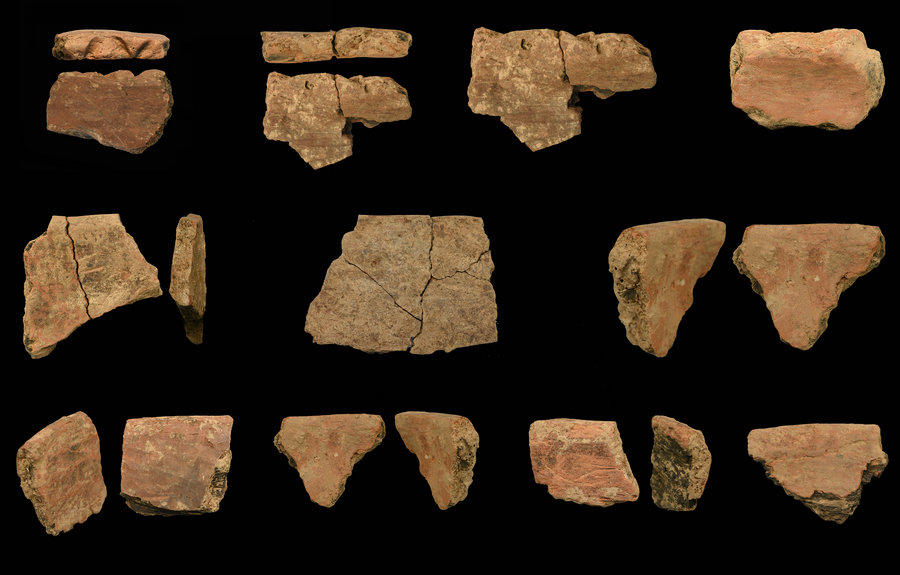
Archaeological excavations at the site unearthed evidence of early human settlements and activity, including remnants of fireplaces, animal bones, and pottery items. These findings have offered new perspectives for studies into the origins of agriculture in East Asia, highlighting the evolutionary steps human societies took toward settled agricultural life.
Historical Background
The historical significance of the Zhaojiaxuyao site is rooted in its age and the era it represents in human prehistory. Situated in the Linzi district of Zibo, Shandong province, the site is believed to have been a place of human activity during the period spanning roughly 15,000 to 11,000 years ago. This era is characterized as a transitional phase between the Paleolithic and Neolithic ages. During this time, humans began to exhibit more advanced development in their tool-making techniques and social organization, laying the groundwork for the rise of agriculture and more permanent settlements. The artifacts and remains found at Zhaojiaxuyao provide a glimpse into these early developments and offer critical data for understanding the progression of prehistoric human societies in Northern and Northeastern Asia.
Archaeological Discoveries
Excavation Timeline
The archaeological investigation of the Zhaojiaxuyao site commenced as part of broader exploratory efforts in the region, initially with a focus on uncovering remains from later historical periods. However, the discovery of older layers of human activity prompted a shift in focus, leading to more comprehensive excavations. These excavations revealed a makeshift human camp, with evidence of fireplaces, animal bones, and pottery items. The timeline of the excavation process highlights a series of methodical digs that progressively uncovered more about the prehistoric and transitional nature of the site.
Key Findings
The key findings at the Zhaojiaxuyao site include the discovery of three distinct fireplaces surrounded by over 1,000 artifacts, primarily comprising animal bones. This evidence suggests that the site was used as a temporary camp where prehistoric humans engaged in activities such as hunting and cooking. Additionally, fragments of pottery and stone and clamshell products were uncovered, indicating the utilization of fire beyond mere survival. The presence of pottery fragments suggests that the communities inhabiting the site were experimenting with early forms of ceramic production, a precursor to more advanced pottery techniques in later Neolithic cultures. These findings provide critical insights into the evolution of human technology and social organization during this transitional period.
Cultural Significance
The Zhaojiaxuyao site is culturally significant for several reasons. Firstly, it offers crucial evidence regarding the transition from nomadic lifestyles to more settled forms of existence, which is a pivotal development in human history. The artifacts found at the site demonstrate an early attempt at creating a sense of territory and community through the use of fire and rudimentary pottery. This shift in human behavior marks the beginning of a trajectory that would eventually lead to the establishment of agricultural societies. Additionally, the site's findings contribute to a broader understanding of the development of cultural practices in East Asia, offering a contextual backdrop for subsequent historical periods.
Preservation and Conservation
Preserving the Zhaojiaxuyao site is of paramount importance due to its age and the delicate nature of the artifacts found within. Efforts to ensure the site's conservation involve protecting the excavation areas from environmental degradation and potential human interference. Archaeologists and conservators work collaboratively to stabilize the uncovered artifacts and prevent deterioration. Detailed documentation and analysis of the findings are also critical components of the preservation process, enabling researchers to study the artifacts in detail while minimizing direct handling. These preservation efforts ensure that future generations can continue to learn from and study this invaluable archaeological site.
Research and Studies
Research at the Zhaojiaxuyao site continues to play a vital role in advancing our understanding of prehistoric human societies. Studies conducted at the site focus on various aspects, including technological developments, social organization and early agricultural practices. Researchers analyze the spatial distribution of artifacts, examining the placement and usage patterns of tools and other objects to infer the social dynamics of the communities that once inhabited the site. Additionally, studies of the animal bones and pottery fragments provide insights into the dietary practices and technological capabilities of these early humans. Collectively, these research efforts contribute to a more comprehensive picture of the early cultural and technological evolution in East Asia.








